DEVELOPMENTAL STAGE 1: INFANCY
Approximate Age: Birth–12 Months
SOCIAL-EMOTIONAL MILESTONES
During infancy, children begin developing relationships and learning how to communicate emotions.

Examples of social-emotional milestones include:
Smiling during social interaction.
• Responding to familiar caregivers.
• Showing different facial expressions.
• Responding to voices and sounds.
• Showing preferences for familiar people.
• Using sounds, gestures, and facial expressions to communicate needs.
• Beginning to respond to the emotions and tone of caregivers.
The CDC provides age-specific developmental milestones for infants, including social and emotional behaviors.

CLASSROOM STRATEGY 1: EMOTION-FILLED INTERACTION
Teachers can use facial expressions, gestures, tone of voice, and simple emotion words during everyday interactions.
For example:
“You are smiling! You look happy.”
“That surprised you!”
“You are crying. Let’s see what you need.”
This helps infants begin connecting emotions with facial expressions, sounds, and experiences.
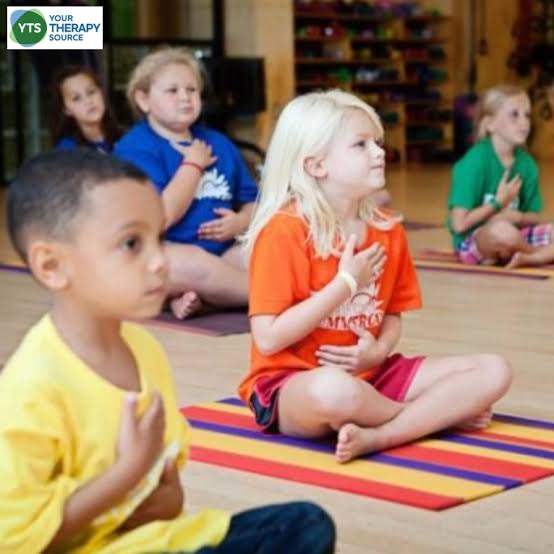
SELF-REGULATION
Infants are not expected to regulate their emotions independently. Adults provide co-regulation by helping infants become calm and comfortable.
Teachers can:
• Use a calm voice.
• Comfort children when they are upset.
• Maintain predictable routines.
• Reduce overwhelming stimulation.
• Respond consistently to children’s cues.
FAMILY STRATEGIES
Families can support infants by:
• Talking and singing to them.
• Reading together.
• Responding consistently to communication attempts.
• Comforting them when upset.
• Playing together.
• Establishing predictable routines.
"Integrating simple self-regulation routines into our daily morning meetings completely transformed our classroom dynamic. The students now communicate their feelings with confidence and support each other through conflicts."
Early childhood educator
Create Your Own Website With Webador