SELF-REGULATION
Self-regulation is the ability to manage emotions, thoughts, attention, and behavior in ways that support positive decisions and interactions.
Teachers can help students develop self-regulation by explicitly teaching strategies and modeling those behaviors themselves
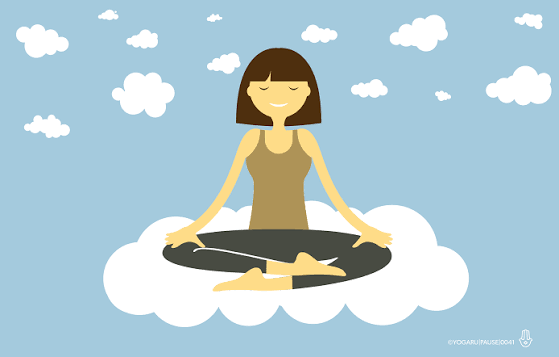
THREE WAYS TEACHERS CAN MODEL SELF-REGULATION
- THINK ALOUD
Teachers can explain their thinking when they become frustrated.
Example:
“I am frustrated because this activity did not work the way I expected. I am going to take a breath and try another solution.”
- MODEL CALMING STRATEGIES
Teachers can demonstrate:
• Deep breathing
• Counting
• Positive self-talk
• Taking a short break
• Asking for help
• Stretching
• Identifying the problem before reacting
- MODEL RESPECTFUL CONFLICT RESOLUTION
Teachers can demonstrate how to disagree respectfully.
Example:
“I understand that we disagree. Let’s talk about what happened and find a solution.”
SELF-REGULATION ROUTINE
STOP → NOTICE → BREATHE → THINK → CHOOSE
STOP: Pause before reacting.
NOTICE: Identify the emotion.
BREATHE: Use a calming strategy.
THINK: Consider possible choices and consequences.
CHOOSE: Select an appropriate response.
WHY IT MATTERS
Research has found that school-based social-emotional learning programs can improve students’ social-emotional skills, behaviors, relationships, school functioning, and academic achievement.
Teachers can support these skills by making self-regulation part of everyday classroom interactions rather than teaching it only when a student is experiencing a problem

Create Your Own Website With Webador